Resident Activities & Programs
- ABOUT
Resident Activities & Programs
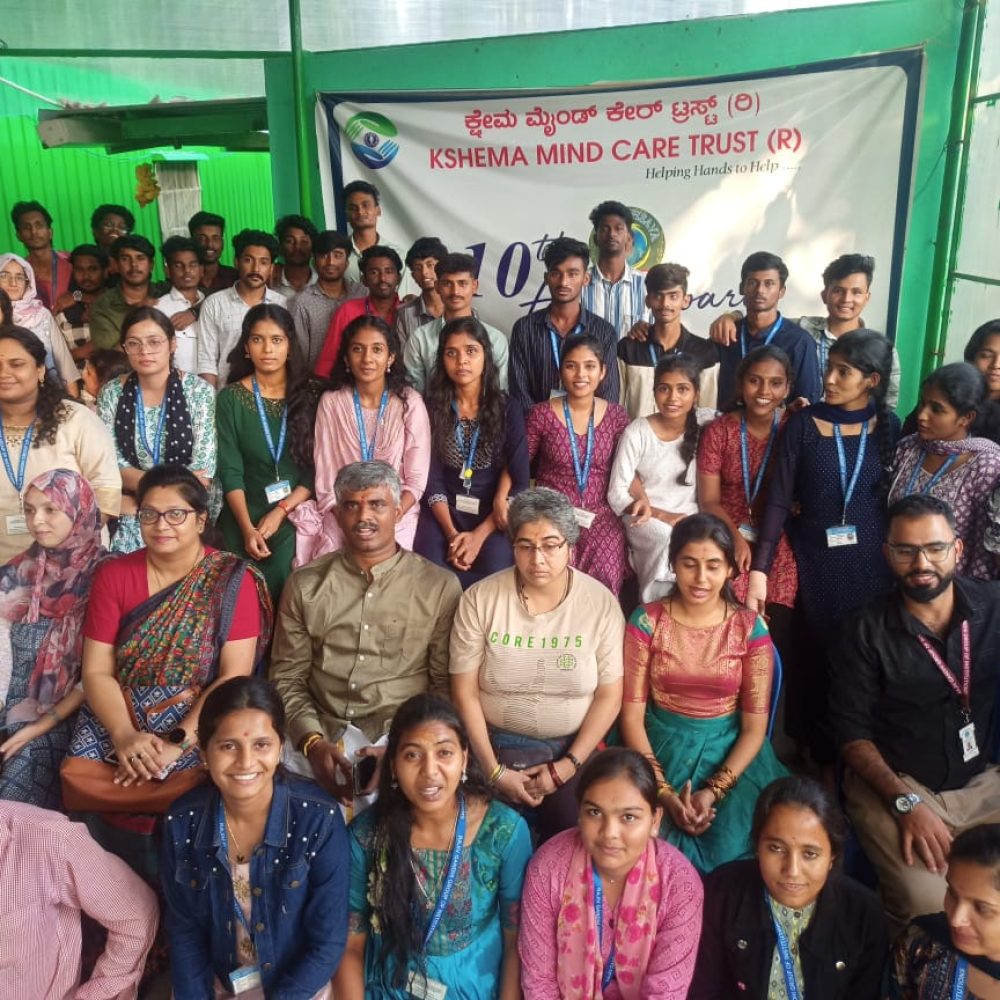
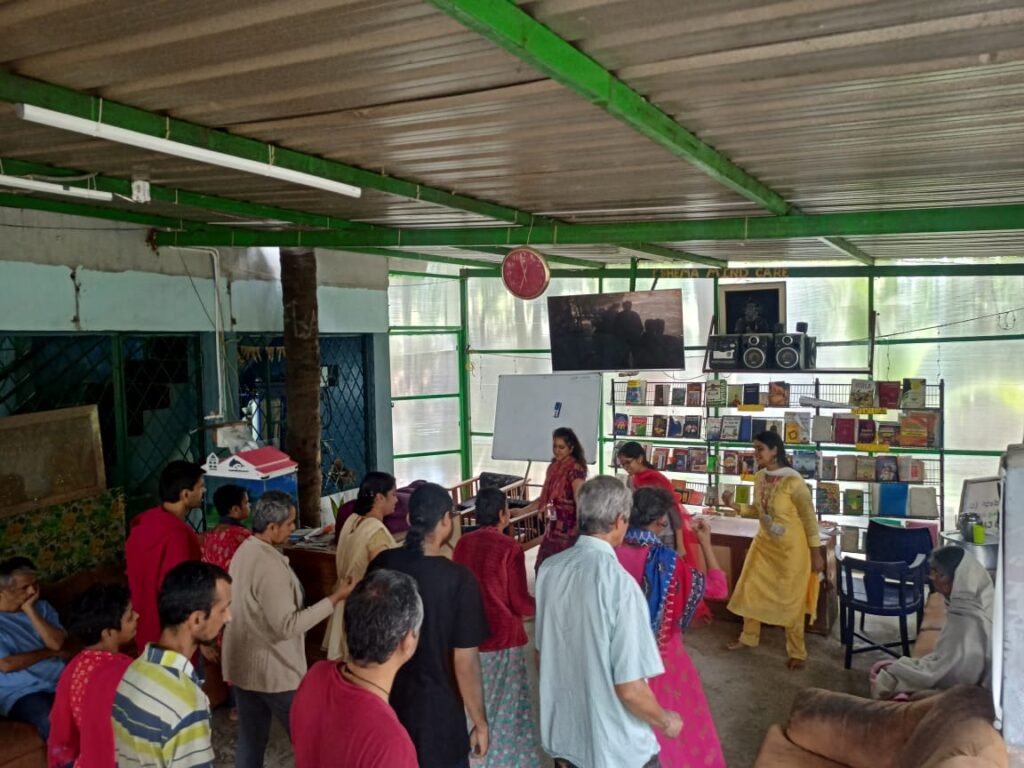
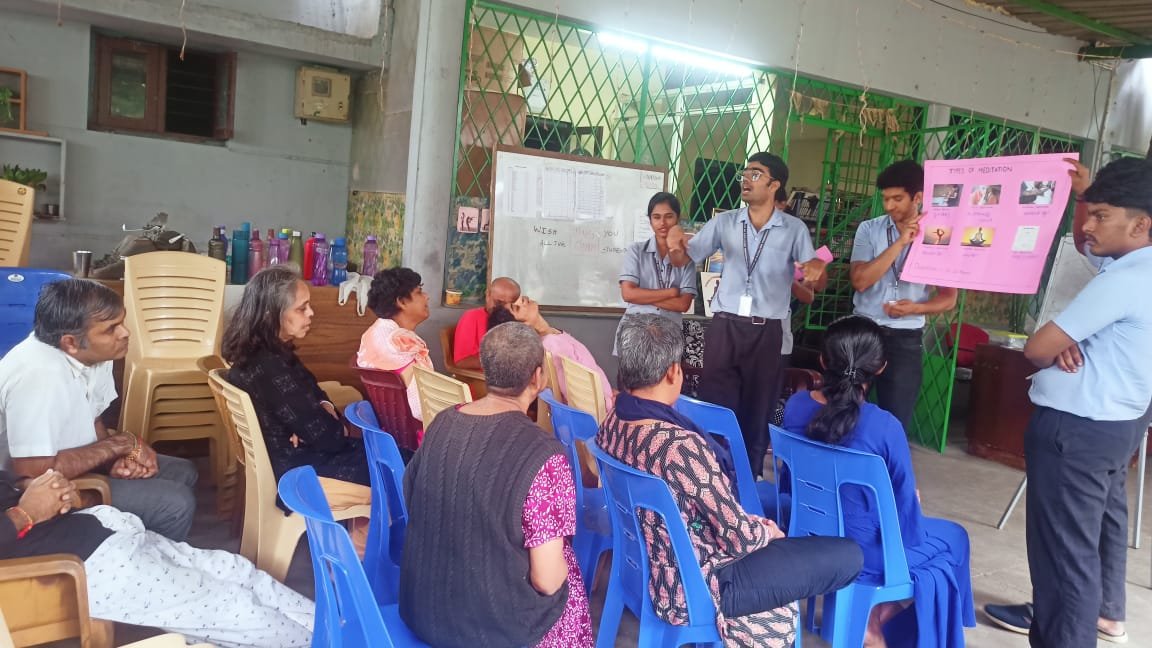
At Kshema Mind Care Trust, we believe in a holistic approach to rehabilitation. Our Resident Activities & Programs are designed to enhance emotional, cognitive, social, and vocational skills. Through a blend of therapeutic exercises, creative expression, life skills training, and fun group games, residents gain confidence, independence, and a sense of community.
- Therapeutic Activities
Engaging exercises and creative activities for emotional and cognitive development
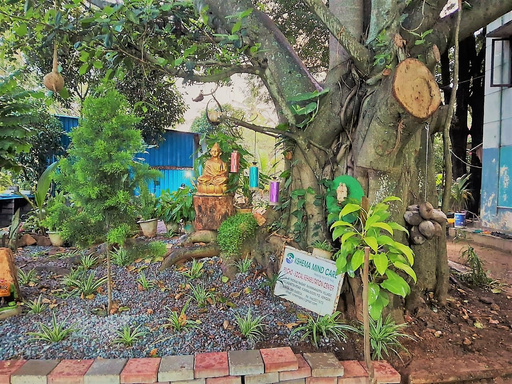
Therapeutic Gardening (“Green Therapy”)
Activity: Container gardening, herb planting, or sensory gardens.
Purpose: Enhances responsibility, nurturance, and reduces anxiety.
Innovation: “Plant buddy” system where each resident cares for a plant and shares progress weekly.
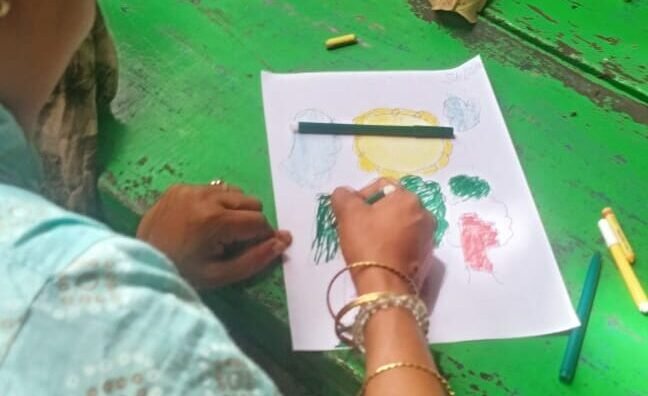
Expressive Art & Mood
Mapping
Activity: Create art representing emotions (collage, clay, mandalas).
Purpose: Encourages non-verbal expression and emotional release.
Innovation: “Emotion color charts” help residents explain feelings before and after sessions.
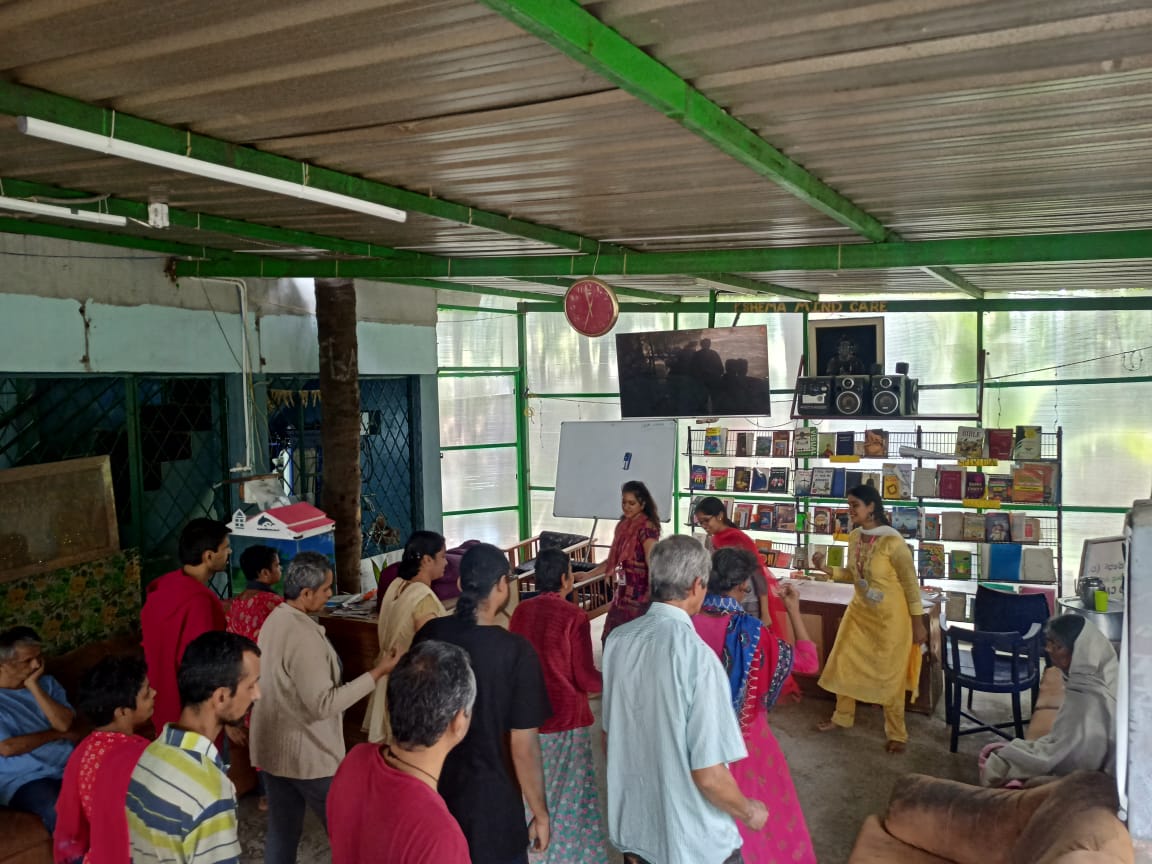
Role-Play Drama & Psychodrama Sessions
Activity: Act out personal experiences, social situations, or coping scenarios.
Purpose: Builds insight, empathy, and communication skills.
Innovation: Improvisational drama with engaging audience feedback for peer learning.
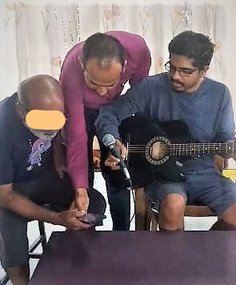
Guided Music & Soundscape Therapy
Activity: Sound meditation, drumming circles, or personalized playlists.
Purpose: Regulates mood, increases relaxation, and builds group cohesion.
Innovation: Residents create “audio journals” reflecting mood through sound.
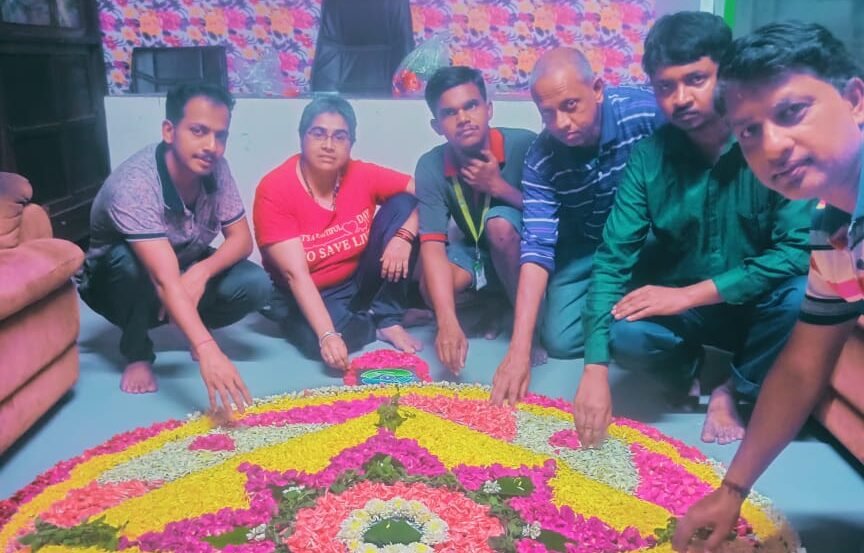
Gamified Cognitive Stimulation
Activity: Board games, memory games, visual puzzles, escape-room challenges.
Purpose: Improves memory, attention, and cooperation.
Innovation: Level-based “rehab quests” unlocking new challenges with progress.
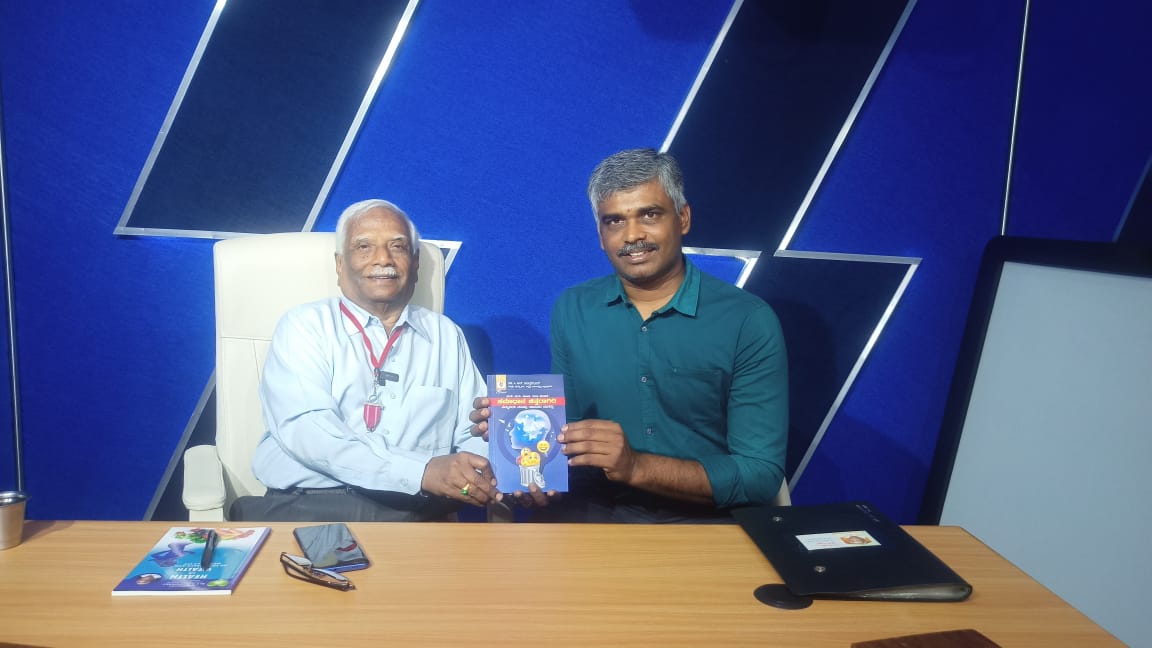
“Recovery Radio” / Podcasting
Activity: Co-create podcasts or audio diary series.
Purpose: Enhances communication, confidence, and reflection.
Innovation: Weekly themes with optional anonymous sharing.
Fun Group Games:
Emotion Charades: Acting emotions to boost recognition and expression.
Memory Tray: Observe and recall objects to strengthen memory.
Two Truths and a Lie: Encourages self-expression and trust-building.
Feelings Dice: Share experiences based on rolled emotions.
Collaborative Drawing (“Pass the Picture”): Team creativity and expression.
Musical Statues (with a twist): Movement, imagination, and fun.
Puzzle Race: Promotes problem-solving and teamwork.
Mask Making and Guess Who: Symbolic expression through creative crafts.
Around the World Quiz: Cognitive stimulation and general knowledge.
Group Juggling: Builds focus, coordination, and group rhythm.
- Therapeutic programs
Structured, recurring interventions targeting skill development and rehabilitation
Problem-Solving & Life Skills Clubs
Activity: Weekly tasks like budgeting, shopping lists, or cooking plans.
Purpose: Enhances executive functioning and real-world readiness.
Innovation: “Simulation Days” with mock store, bank, or kitchen experiences.
Vocational Mock Projects
Activity: Small-scale production work such as paper bag making, handmade soaps.
Purpose: Skill development and confidence building.
Innovation: “Startup corners” where residents pitch mini-business ideas to peers.
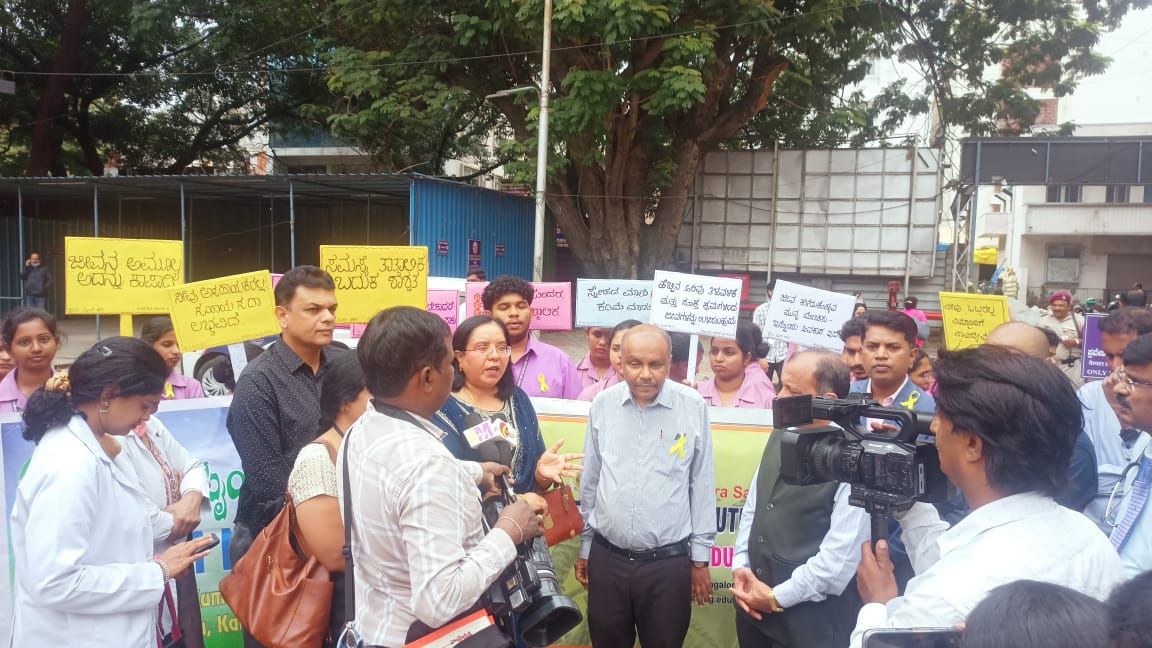
Bibliotherapy & Story Circles
Activity: Read-aloud sessions, reflections, and patient-led storytelling.
Purpose: Emotional insight, empathy, and imagination development.
Innovation: “Healing Stories Library” curated and authored by residents.
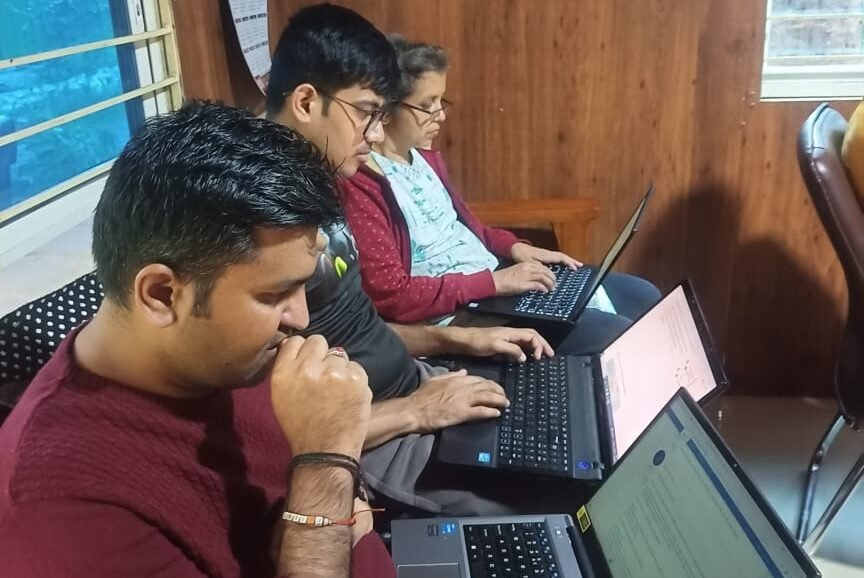
Digital Skills & Wellnes
Activity: Safe internet use, typing skills, digital art, and social media boundaries.
Purpose: Integration into modern society and cognitive engagement.
Innovation: Residents design digital wellness posters or recovery blogs.
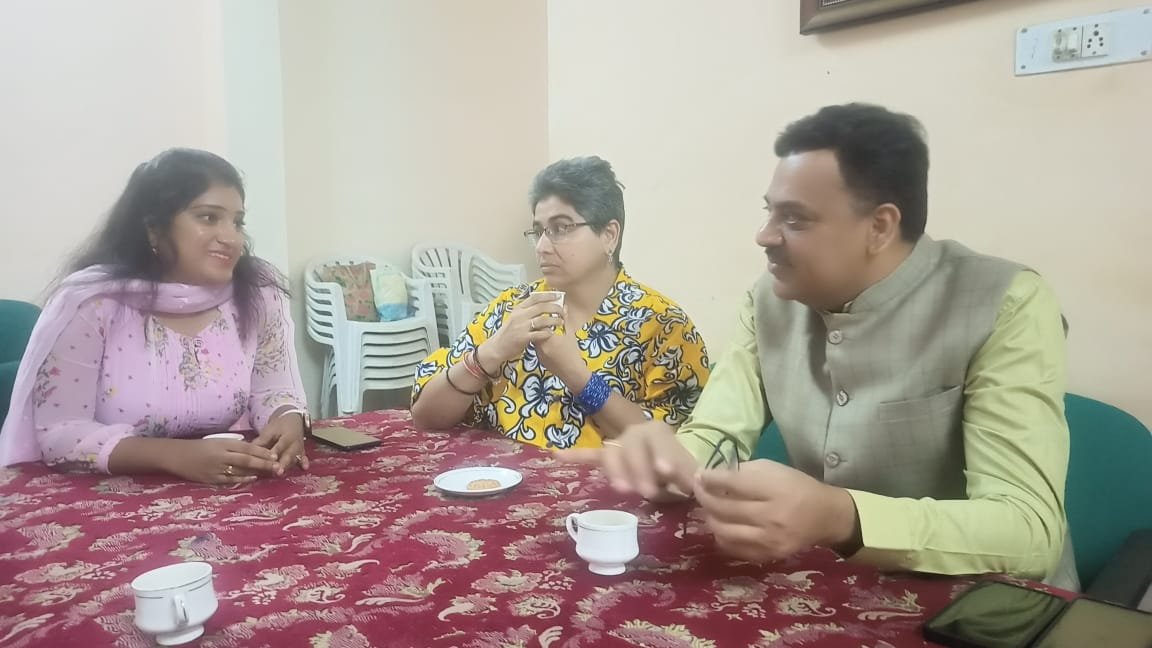
Family Therapy Sessions
Activity: Regular therapy sessions involving families.
Purpose: Strengthen support systems, communication, and coping strategies.
Innovation: Personalized family interventions complement resident progress.
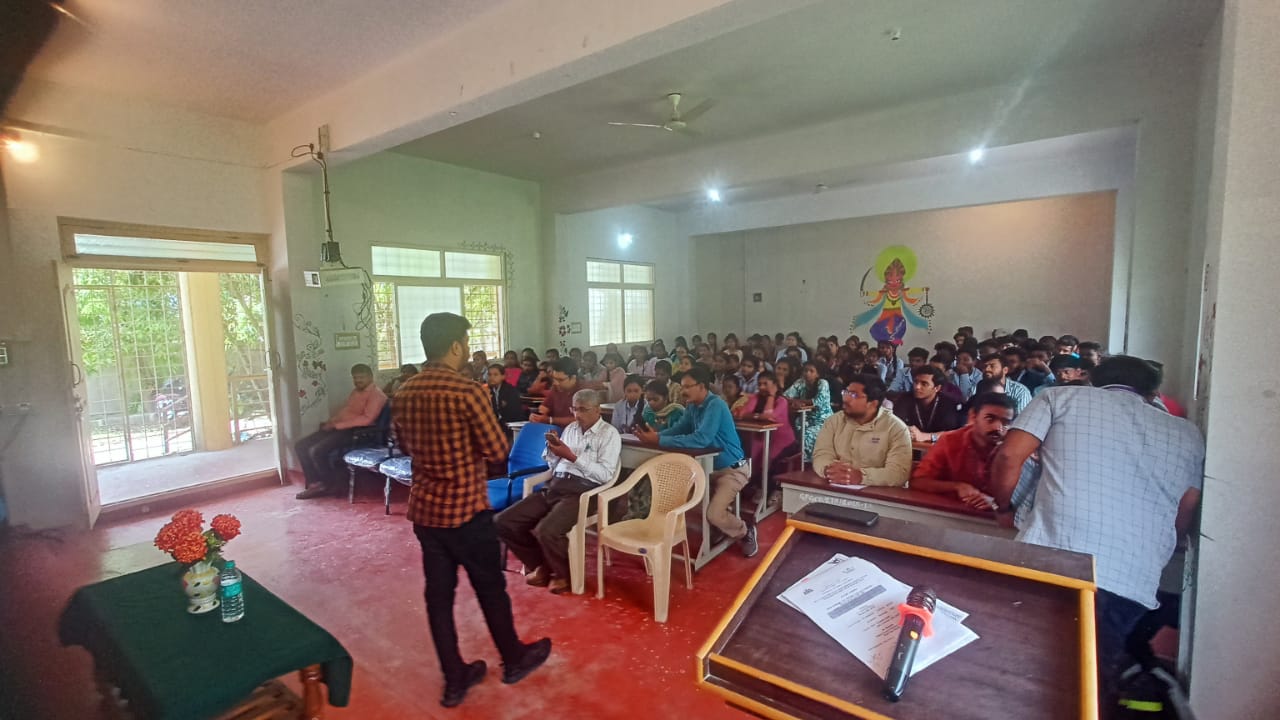
Group Therapy Sessions
Activity: Regular peer group sessions focused on discussion and collaboration.
Purpose: Improve social skills, empathy, and shared problem-solving.
Innovation: Activities tailored to enhance residents’ mental health recovery.